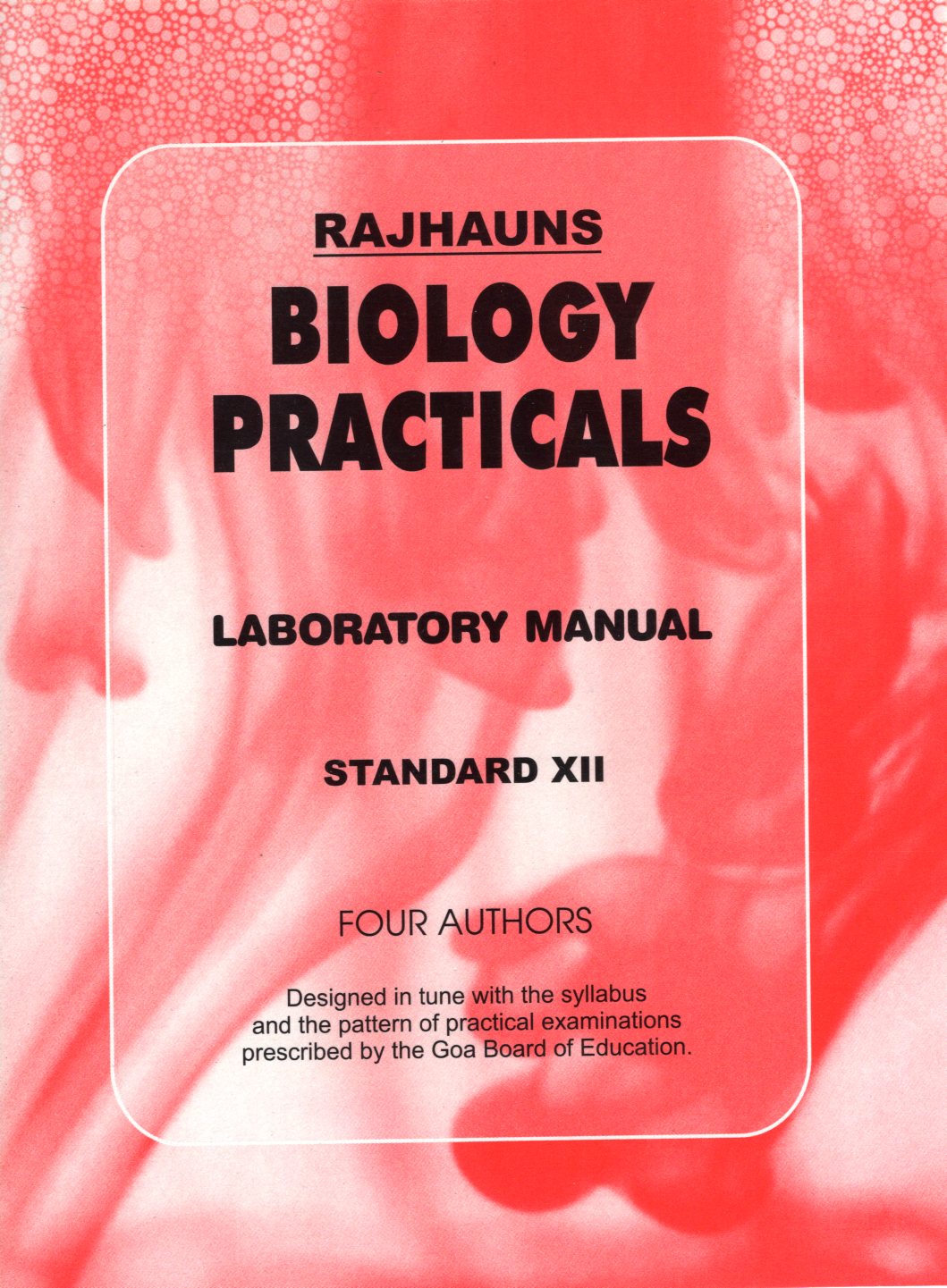
XII BIOLOGY LAB MANUAL
Author : Shri Sangati Publisher: Rajhauns Vitaran Pages: 64 ISBN: 81-7810-692-2 Book Cover: Softcover₹90
| Weight | 116 g |
|---|---|
| Language |
Related products
-
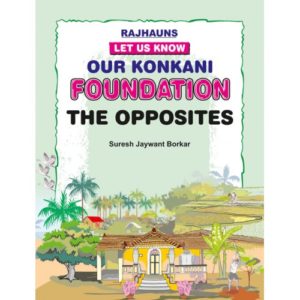
OUR KONKANI FOUNDATION The Opposites
₹50Like other languages, Konkani has a large number of opposites to adjectives, adverbs,verbs and pronouns.This book aims at training students,teachers, new learners the formation and use of the opposites.
Opposites of words are given here so that the student becomes familiar with the opposites of day to day adjectives, verbs and adverbs. Illustrated examples are followed by exercises. An explanation is given at the end of every chapter.
Step by step self-help book for all ages and stages.
-

The Goa Inquisition: The Terrible Tribunal for the East
₹695This book presents a dispassionate and objective account of the Inquisition against the background of the religious policy of the Portuguese. It is based on authentic archival documents and correspondence of the Jesuits. Dr. Dellon’s experiences as a prisoner are also reprinted at the end.
-
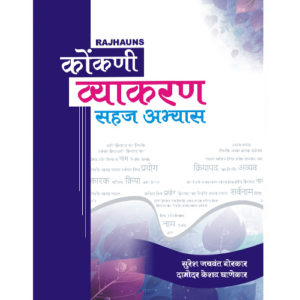
KONKANI VYAKARAN SAHAJ ABHYAAS
₹325An extract of Konkani grammar. The very essence of learning basic Konkani grammar in a nutshell with illustrations. Loads of exercises with blanks to be filled. Step by step self-help book for all ages and stages.
-
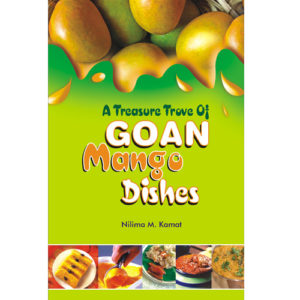
A Treasure Trove of Goan Mango Dishes
₹165Swing with Mango Dishes..
Goans have refined the culinary art through a unique blend of the culinary wisdom of the East and West. The dishes included in this treasure trove will reflect the romance of Goans with the mango in the kitchen. With art learnt through family traditions, Nilima has taken care to simplify the mango preparations making them user friendly and easy to master. You’ll love to learn more about the magic of mangoes appealing to your taste buds once you try the recipes in this book.
Goan mango varieties are famous for their taste and flavour and have attracted worldwide attention. The British Captain Alexander Hamilton (in 1727), a visitor to Portuguese Goa, wrote, ‘The Goan mango is reckoned the largest and the best tasted of any fruit in the world’.
This is a recipe book with a strong academic flavour. Not only does the author give us an amazing range of mango recipes, she also puts in context the importance, history, and nutritional value of the mango fruit.
As a recipe book alone it is amazing. Who would have thought that 22 varieties of desert from the mango fruit? Or that it’s possible to make 15 types of chutneys and sauces? All this and more is indeed very practical.
To name a few you can make kulfi, curd-sweet, ice-cream, pudding, jam and a chewing-block (sath) of mango, and also a mango-cashew delight! A book worth stocking at every home, both in one’s personal library and near the kitchen.
-
-
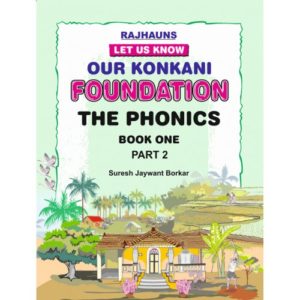
OUR KONKANI FOUNDATION The Phonics Book One (Part 2)
₹50Konkani has open and closed sounds.This book aims at teaching students,teachers and new learners the open sounds.
The open sounds in Konkani which are shown in this book are those which occur very frequently in the language. Illustrated examples are followed by exercises. An explanation is given at the end of every chapter. Step by step self-help book for ages and stages.
-
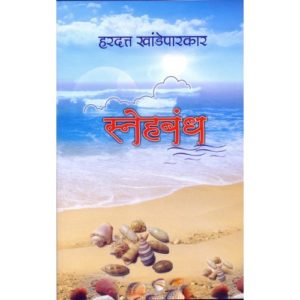
SNEHBANDH
₹100समाजाक स्फूर्त दिवपी विंगड मळांचॆर कार्य जांच्या हातसून घडलां अशीं १२ व्यक्तिचित्रणां ह्या पुस्तकांत आसात. रामदास कामत, डाँ. शरदिनी डहाणुकर, दीनानाथ दलाल, गोपाळकृष्ण भॊबे, सीताकांत लाड,चाल्र्स कुरैय,भाई सरदॆसाय, उदयबाब भॆंब्रो, पं. अरविंद पिळगांवकार, मीनाक्षी शिरॊडकार, लालजी दॆसाई , अ. ना. म्हांबरॊ