
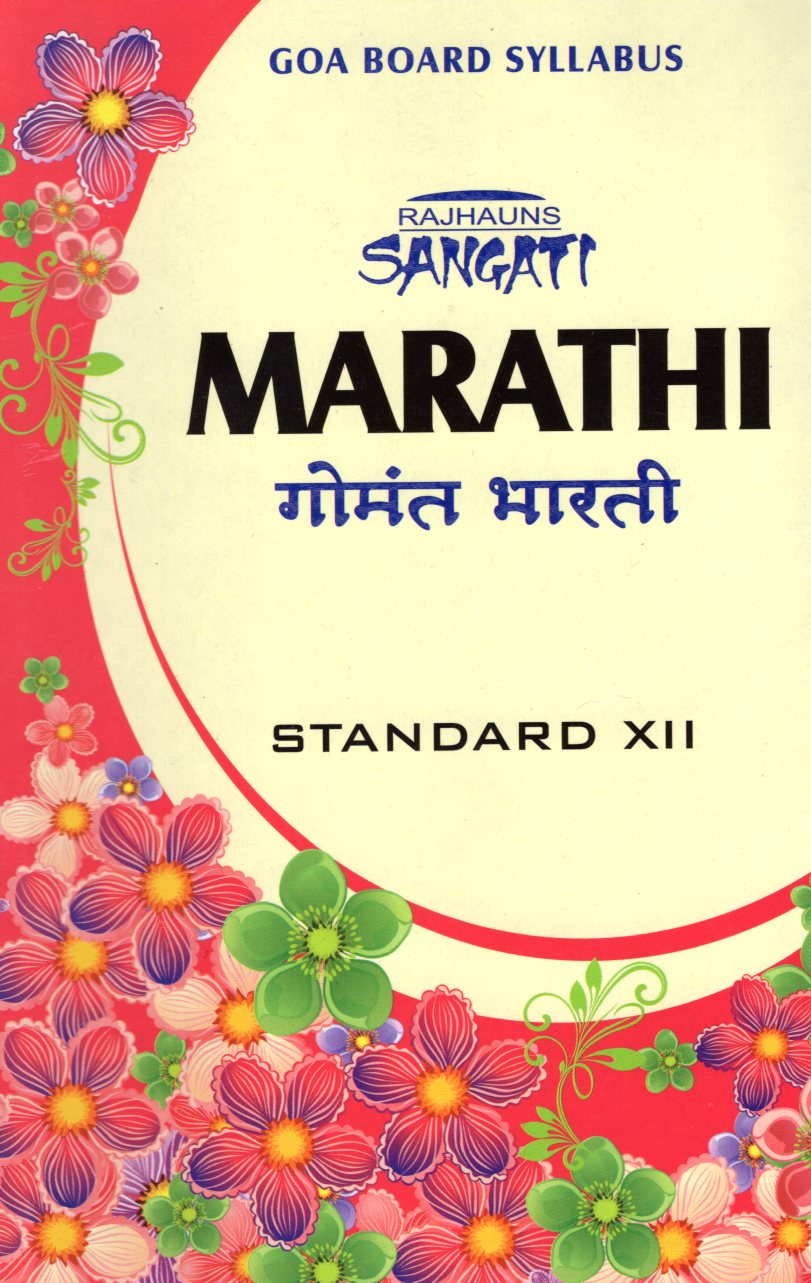

XII MARATHI SANGATI
Author : Shri Sangati Publisher: Rajhauns Vitaran Pages: 132 ISBN: 978-81-7810-585-3 Book Cover: Softcover₹190
The Sangati Series (from std V-XII) are based on the textbook matter with synopsis of lessons, textual exercises (Ques & Ans) and additional questions for practice. They are designed and arranged as per the latest syllabus and pattern of the Goa Board of Education.
| Weight | 150 g |
|---|---|
| Language |
Related products
-
KON-ENG NEW GENERATION DICTIONARY
₹240Rajhauns Konkani – English Illustrated Dictionary has been devised taking into consideration difficulties faced by the speakers of Konkani in the use of English language in areas such as translation, drafting of letters, applications, plaints, etc.
The Dictionary will help Konkani writers, students, teachers ad others who use Konkani for their individual needs in orthography, pronunciation and in the use of the oblique forms of Konkani nouns. It has also provided meanings of phrasal verbs which abound in Konkani.
- Around 35,000 entries
- Konkani phrasal verbs in English
- Portuguese words in Konkani usage
- Oblique forms of nouns
- Orthography of Konkani words
- Pronunciation wherever necessary
- Illustrations
-

GOA: A SOCIAL HISTORY 1510-1640
₹800The Social History of Goa is of great importance as it proves beneficial to research scholars and general readers and to understand the social interaction of the people of 16th century Goa. The book is written in an inimitable style and sustains the interest of the readers throughout.
-
OUR KONKANI FOUNDATION The Plurals
₹50Plurals of nouns form in a number of ways. Plurals of masculine nouns form in two ways – either it is based on the ending or the open sound. Feminines form the plurals in two ways. Neutrals form their plurals by changing the ending accent.
Plurals of nouns change in many ways. The way the noun changes in the plural depends on its gender. While the number of the noun changes, the adjective as well as the verb also change their form. Step by step self-help book for all ages and stages.
-
KONKANI VYAKARAN SAHAJ ABHYAAS
₹325An extract of Konkani grammar. The very essence of learning basic Konkani grammar in a nutshell with illustrations. Loads of exercises with blanks to be filled. Step by step self-help book for all ages and stages.
-

OUR KONKANI FOUNDATION The Gender
₹50Konkani has three genders. The genders of the nouns can be made out from the way the words suggest he, she or it. This book aims at teaching students,teachers and new learners the genders of nouns.
Nouns are used in all three genders. They are fixed in Konkani. Genders and plurals are interdependent in the language. Illustrated examples are followed by exercises. An explanation is given at the end of every chapter. Step by step self-help book for all ages and stages.
-
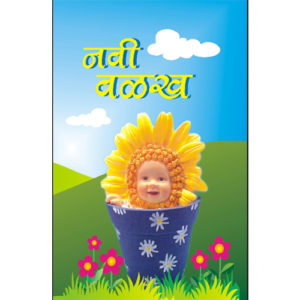
NAVI VOLLOKH / ALPHABET (Konkani)
₹25A book to teach the Devanagari alphabet in an easy and flowing manner.Blank blocks to fill in letters and hollow letters to colour and paint is the highlight of this primer. Sets of syllables and the table book are an added attraction at the end.
-
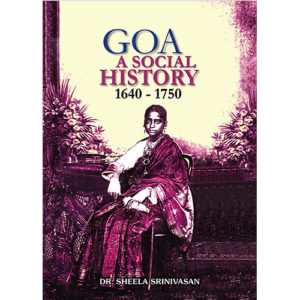
GOA: A SOCIAL HISTORY 1640-1750
₹950The Social History of Goa from 1640-1750 shows the consolidation of the conquest of Goa by the Portuguese and an increased social interaction with the people. The period under review ends a few years before the reformation by Marquis de Pombal in 1750.
The Social History of Goa, after a hundred years of the Portuguese rule, reveals the organization of various institutions working towards politics, socio-economic growth and charity.
The current volume exhaustively depicts the various facets of socio-cultural assimilation and focuses on the role of the Church on Goan Society. It also throws light on women in Portuguese Goa and evil customs like slavery and gives a picture of Goan hospitals, communidades and municipalities.
The book is written in a lucid style and sustains the interest of scholars and readers throughout. -
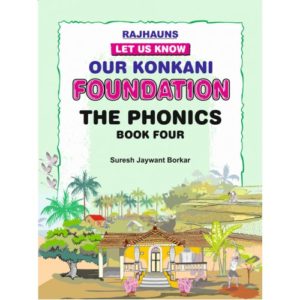
OUR KONKANI FOUNDATION The Phonics Book Four
₹50The orthography of Konkani has a specific character. The short and long pronunciations are explained and exercises thereto are given. Illustrated examples are followed by exercises. An explanation is given at the end of every chapter. Step by step self-help book for all ages and stages.
Konkani has, along with open and closed sounds,short and long accents. This book aims at teaching students,teachers and new-Konkani learners the short and long accents.